
Commercial Energy Audits Test
What Is a Commercial Energy Audit?
Energy costs remain one of the most significant operational expenses for commercial buildings in Massachusetts and across New England. A commercial energy audit provides businesses with a detailed, data-driven understanding of how energy is used within their facility, and where inefficiencies may be increasing costs. For many organizations, an energy audit for businesses is also the first step toward qualifying for incentives through programs like Mass Save, helping offset upgrade costs while supporting long-term energy performance improvements.
A commercial energy audit is a structured evaluation of how a building consumes energy. Also known as a building energy assessment, it identifies inefficiencies in lighting, HVAC, controls, and other building systems — and prioritizes improvements based on energy and carbon savings and return on investment (ROI).
For Massachusetts businesses, an audit often serves as the first step toward qualifying for utility-backed efficiency incentives.
Why Energy Audits Matter for Massachusetts Businesses
In Massachusetts, energy efficiency programs are among the most robust in the country. Through Mass Save, businesses may qualify for incentives that significantly offset upgrade costs — but most programs require a formal assessment.
A commercial energy audit helps:
- Establish a performance baseline and identify energy waste in your facility
- Identify qualifying upgrades
- Document savings projections
- Support utility incentive applications
Without an audit, businesses risk missing available rebates or investing in lower-impact improvements.
What Does a Massachusetts Energy Audit Include?
A typical audit for commercial facilities includes:
- Utility bill analysis
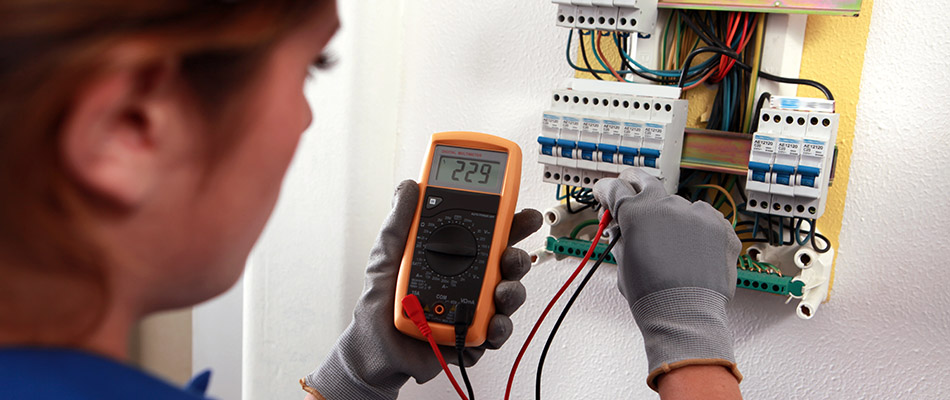
- Equipment inspection (HVAC, lighting, motors, controls)
- Load profiling
- Demand charge analysis
- ROI modeling for recommended upgrades
- Incentive eligibility review
In many cases, businesses also explore participation in programs like ConnectedSolutions, which rewards facilities for reducing demand during peak grid periods.
Frequently Asked Questions
Most commercial energy audits take 2–6 weeks, depending on facility size and data availability.
Many custom and large-scale projects require documented energy analysis before Mass Save incentives are approved.
Office buildings, warehouses, manufacturing facilities, healthcare facilities, labs, schools, and multi-tenant commercial properties benefit most from energy audits.
Savings potential varies widely by the facility; many commercial buildings can reduce energy costs by 10-30% or more when recommended measures are implemented.
Key Energy Audit Benefits for New England Businesses
- Data-driven capital planning
- Access to utility and state incentives
- Improved energy cost predictability
- Reduced operational risk
- Stronger sustainability positioning
Key Takeaways
- Energy audits replace assumptions with performance data
- Massachusetts incentives often require documented assessments
- ROI-based prioritization improves capital planning
- Incentives can significantly improve project economics