
5 Signs Your Commercial Building Could Benefit from Weatherization
High energy costs and uncomfortable indoor conditions are not always caused by aging heating or cooling equipment. In many commercial, municipal, and institutional buildings, air leaks, inadequate insulation, and weaknesses in the building envelope allow conditioned air to escape and outdoor air to enter.
Commercial building weatherization addresses these sources of energy loss through improvements such as air sealing, insulation, weatherstripping, window and door upgrades, and targeted building-envelope repairs. These measures can help reduce operating costs, create more consistent indoor temperatures, and allow mechanical systems to operate more efficiently.
For schools, municipal buildings, public safety facilities, offices, and other properties across New England, the
1. Your Utility Bills Are Increasing
A steady increase in natural gas, heating oil, or electricity use may indicate that a building is losing conditioned air or allowing too much outdoor air to enter.
When heat escapes through an under-insulated roof, a poorly sealed wall, an aging window, or a gap around an exterior door, the building’s heating system must use more energy to maintain the desired temperature. During warmer months, air leaks can also allow warm air to infiltrate the building, increasing cooling demand. Utility costs can rise for many reasons, but unexplained increases in consumption often point to issues with the building’s shell.
Weatherization measures that may help include:
- Sealing air leaks
- Adding or replacing insulation
- Repairing damaged envelope components
- Improving windows and doors
- Installing weatherstripping or door sweeps
2. Occupants Notice Drafty Areas
Drafts near windows, exterior doors, loading areas, stairwells, roof penetrations, or wall joints are among the clearest signs of uncontrolled air leakage.
In a school, drafts may make classrooms near the exterior of the building noticeably colder than interior rooms. In municipal offices or libraries, staff may use portable heaters to compensate for uncomfortable workspaces. Fire stations, public works facilities, and industrial buildings may experience significant infiltration around overhead doors and frequently used entrances.
Air sealing can address many of these gaps without requiring major renovation. Common improvements include caulking around penetrations, sealing joints, installing door sweeps, replacing worn weatherstripping, and repairing sections of the building envelope.
3. Temperatures Are Uneven Throughout the Building
Some rooms may feel too cold while others are too warm, even when they are served by the same heating or cooling system. These temperature differences can result from mechanical or control issues, but they can also be caused by inconsistent insulation and air leakage.
Areas that commonly experience uneven conditions include:
- Upper floors beneath poorly insulated roofs
- Rooms located above unconditioned spaces
- Perimeter offices and classrooms
- Entrances and vestibules
- Older additions or renovated building sections
- Spaces with aging windows or exterior doors
Weatherization can help stabilize indoor conditions by reducing heat loss and uncontrolled airflow. A more consistent envelope makes it easier for heating and cooling systems to maintain target temperatures throughout the facility.
4. The Building Has Aging or Inadequate Insulation
Insulation can deteriorate, settle, become damaged by moisture, or fail to meet the needs of a building that has changed over time. Older facilities may also have areas with little or no insulation. Potential problem areas include:
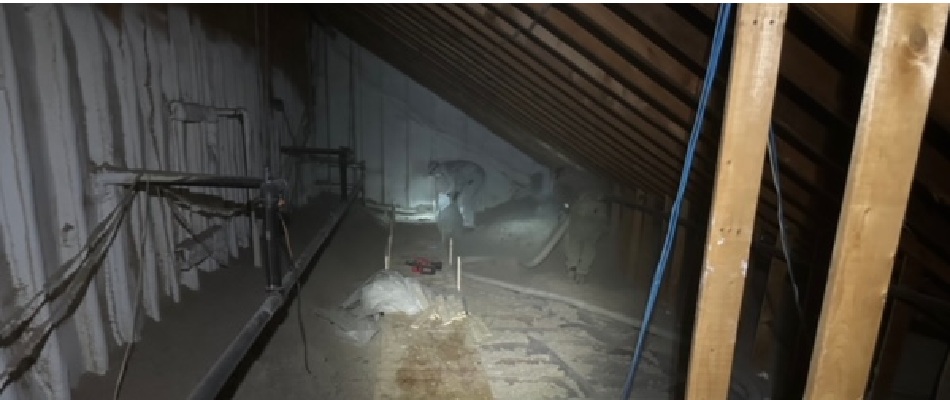
- Attics and roof assemblies
- Exterior walls
- Basements and foundation areas
- Mechanical rooms
- Heating and hot-water pipes
- Sections added during different construction periods
An assessment can help determine the condition, location, and effectiveness of existing insulation. Depending on the building, recommended measures may include attic, roof, wall, and pipe insulation, as well as insulation around mechanical spaces.
Insulation and air sealing should generally be evaluated together. Adding insulation without addressing significant air leakage may leave avoidable energy losses unresolved.
5. Heating or Cooling Equipment Runs Continuously
Heating and cooling systems that operate for long periods or cycle frequently may be compensating for energy loss through the building envelope.
When conditioned air escapes, boilers, heat pumps, rooftop units, fans, and pumps must work harder to maintain indoor temperatures. Continuous operation can increase energy use, create excess wear, and contribute to higher maintenance requirements.
Weatherization may help reduce the building’s heating and cooling loads by more effectively retaining conditioned air. Potential operational benefits include:
- Reduced boiler cycling
- More efficient heat-pump operation
- Shorter fan runtimes
- More consistent space temperatures
- Reduced strain on mechanical equipment
- Potentially lower maintenance costs
Continuous equipment operation can also indicate sizing, controls, ventilation, or maintenance problems. A comprehensive evaluation should consider the building envelope and mechanical systems together.
Benefits of Commercial Building Weatherization
Weatherization can provide financial, operational, and environmental benefits that extend beyond reduced energy use.
Lower Operating Costs – Reducing air leakage and heat loss can decrease natural gas, oil, or electricity consumption and may lower peak heating and cooling demand.
Improved Occupant Comfort – Weatherization can reduce drafts and temperature swings, creating more comfortable conditions for employees, students, visitors, and other building occupants.
Better Equipment Performance – When a building retains conditioned air more effectively, its heating and cooling equipment may operate for shorter periods and under less demanding conditions.
Progress Toward Sustainability Goals – Lower energy consumption can support greenhouse gas reductions, decarbonization, and organizational sustainability initiatives.
Start with a Building Assessment
Not every draft, temperature problem, or high utility bill has the same cause. Before selecting improvements, facility owners should evaluate existing building conditions, energy use, envelope performance, and mechanical-system operation.
A building assessment can help identify where energy is being lost and determine whether the most appropriate measures include air sealing, insulation, building-envelope repairs, heating controls, and more. Older buildings are frequently strong candidates, but newer facilities can also experience air leakage, insulation deficiencies, or construction-related envelope issues.
For eligible Massachusetts facilities, Mass Save business programs may provide energy assessments, technical guidance, and incentives for qualifying commercial insulation and weatherization projects.
Commercial Weatherization FAQs
Commercial weatherization may include insulation, air sealing, weatherstripping, caulking, door sweeps, window and door improvements, and repairs to exterior walls, roofs, and other building-envelope components.
Weatherization can reduce the amount of conditioned air that escapes a building, helping lower heating and cooling demand. Actual savings depend on the building’s existing condition, energy use, climate, project scope, and operating schedule.
No. Weatherization can be completed independently or coordinated with HVAC improvements. Addressing air leakage and insulation deficiencies may help existing equipment operate more effectively.
Qualifying Massachusetts businesses and institutional facilities may be eligible for Mass Save insulation and weatherization incentives. Eligibility, incentive amounts, and approval requirements vary by building size, utility sponsor, and project type.
Contact Guardian Energy Management Solutions to discuss weatherization opportunities for your building.